
Our approach
Montessori, in plain words
Montessori is a way of teaching young children that lets them learn by doing. At Cedrus, children aged 1 to 6 choose hands-on work from a carefully prepared classroom, guided by trained teachers, in English and French.
Apprendre en faisant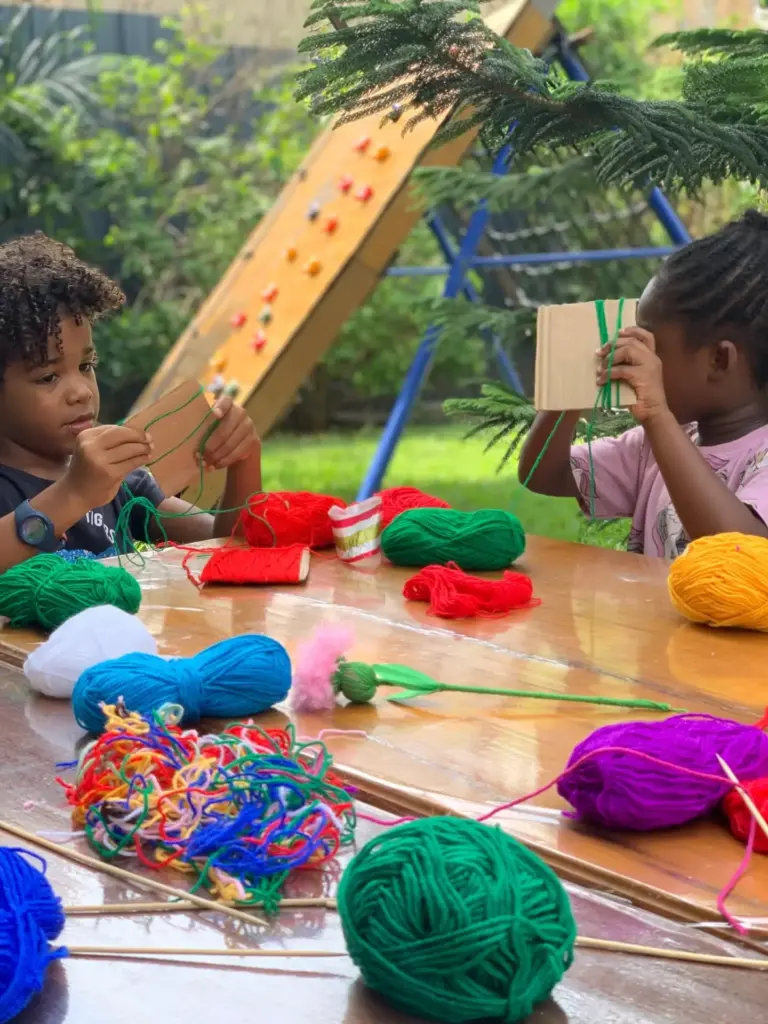
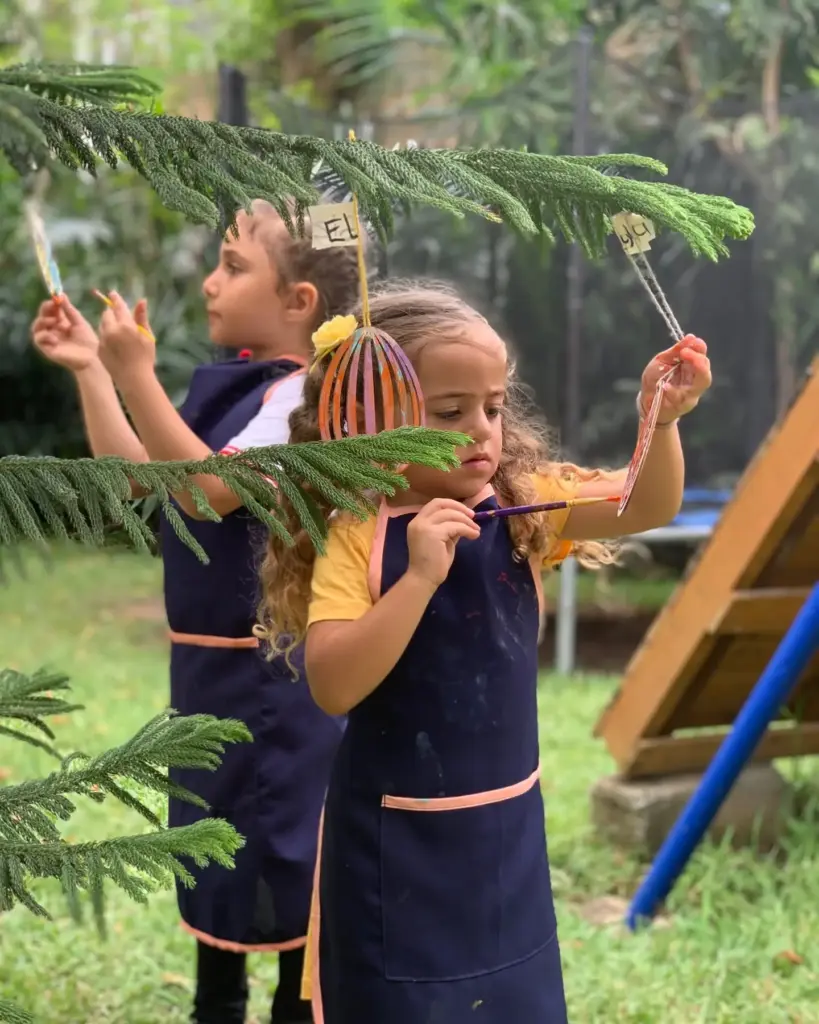
Our Philosophy
Maria Montessori believed that children learn best when they are free to follow their natural curiosity in a carefully prepared environment. At Cedrus, we honour this by respecting each child as an individual with their own rhythm and interests. Our goal is not just to prepare children for school, but to prepare them for life.
The big idea
Children learn best by doing
Dr Maria Montessori was an Italian doctor who opened her first school, the Casa dei Bambini, in Rome in 1907. She watched how young children learn and saw that they concentrate deeply when they choose real, purposeful work with their hands. Montessori schools around the world still build on her ideas today. Three of them shape every morning at Cedrus.
Follow the child
Teachers watch closely and offer each child the next step when they're ready, so every child moves at their own pace.
A prepared classroom
Everything is child-sized, beautiful and in its place on low shelves, so children can choose their work and put it back on their own.
Hands first, then the idea
Children touch, count and build with real materials before they meet the symbol, so a number or letter means something when they write it.
What children learn
The five areas of a Montessori classroom
Every Cedrus classroom is arranged in five areas. Each morning, children move between them and choose the work that calls to them.
Cinq domaines, un seul enfantPractical life
Pouring water, buttoning, sweeping, washing hands, serving snack and caring for plants.
Builds concentration, coordination and real independence.
Sensorial
Stacking the pink tower, matching colour tablets and sound cylinders, tracing shapes.
Sharpens the senses and quietly prepares the mind for maths.
Language
Sandpaper letters, sound games, the moveable alphabet, and stories in English and French.
Moves children from spoken words to reading and writing.
Mathematics
Number rods, the spindle box and golden beads for counting and early operations.
Puts quantity in children's hands before numbers go on paper.
Culture
Continents, weather, plants and planets, with art and music woven through our weekly themes.
Opens children up to the wider world and to each other.
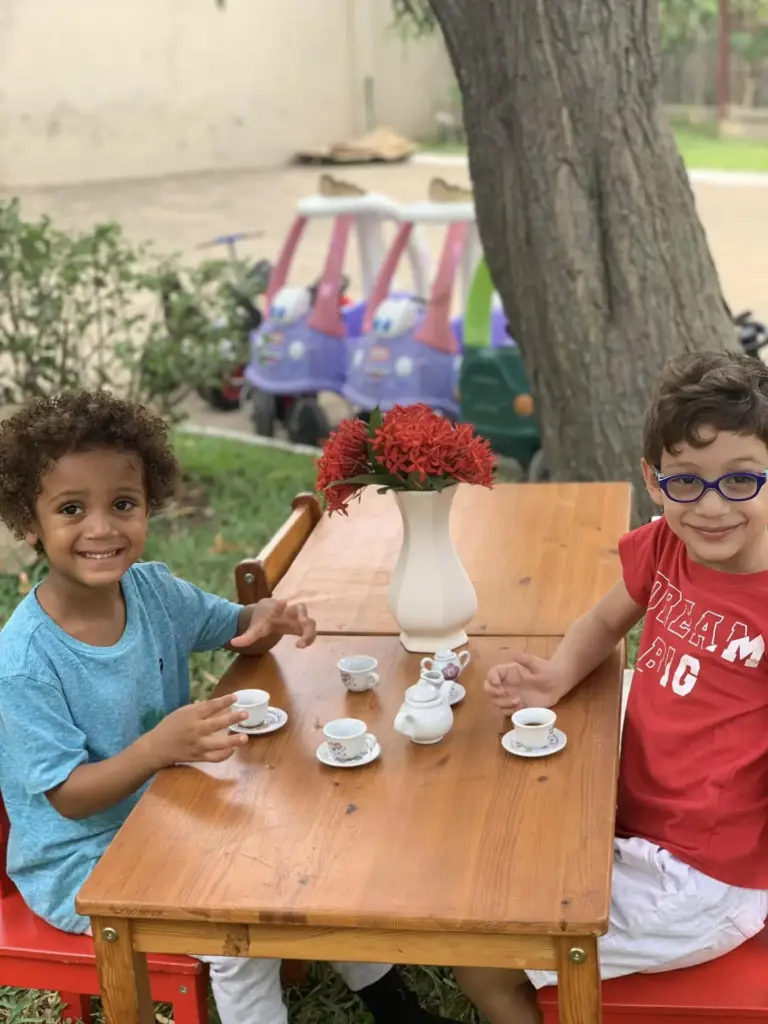
Each morning
The work cycle
From about 9:20 each morning, children have a long, unhurried stretch of time for their own work. It's the heart of the Montessori day, and it follows a simple rhythm.
Choose. The child picks a piece of work they've been shown, from a shelf at their height.
Work. They stay with it as long as it holds them, on a small mat or at a table.
Put it back. The work goes back where it belongs, ready for the next child.
Choose again. One piece of work leads to the next, at the child's own pace.
And the teacher?
She guides rather than lectures. She watches, shows a new material to one child or a small group, then steps back so they can try it themselves.
What's different
Montessori and a traditional nursery
Both can be warm and caring places. The difference is in how children spend their time and how they learn.
In many traditional nurseries
- The teacher leads, and the whole group does the same activity at once
- Activities change on a fixed timetable
- Learning comes mostly from worksheets and toys
- The teacher spots and corrects mistakes
- Children move on as a group
Montessori at Cedrus
- Each child chooses their work, guided by the teacher
- Children stay with a task as long as it holds them
- Learning comes from hands-on materials made for it
- Many materials let children see and fix their own mistakes
- Each child moves on when they're ready, in English and French
Questions parents ask
Montessori, answered
Isn't Montessori too unstructured?
No. Children choose freely, but within a carefully prepared classroom and clear ground rules: work comes from the shelves, is used with care and goes back when it's finished. The structure lives in the classroom and the daily routine, not in everyone doing the same thing at once.
Will my child be ready for primary school?
Yes. By the Bloomers year (5–6), children read, write and work with numbers using Montessori materials, and they leave Cedrus ready for primary school in an English or a French-language system.
Are two languages too much for a young child?
Young children are wonderfully good at picking up languages through everyday life. At Cedrus, French isn't a separate lesson: each class has its own Maîtresse, so children hear and use French in songs, stories and routines alongside English.
Do children still get to play?
Every day. Garden play, music and movement, art and Show & Tell sit alongside the work cycle. And to a young child, the hands-on Montessori work itself often feels like play.
The best way to understand Montessori is to see it
Visit on a weekday morning and watch the work cycle for yourself.